



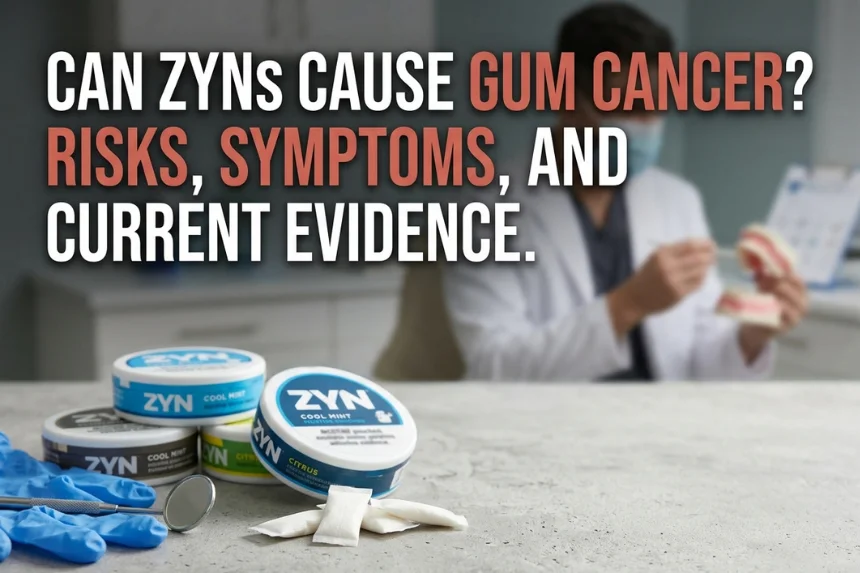
Can Zyns cause gum cancer? Current research has not proved that ZYN nicotine pouches directly cause gum cancer. However, researchers do not yet have enough long-term evidence to declare these products risk-free. Because nicotine pouches are relatively new in the United States, it may take years to understand their full effects on oral tissue.
ZYN does not contain tobacco leaf, and it does not expose users to cigarette smoke. Nevertheless, each pouch rests directly against the gums and inner lip. As a result, frequent use can irritate the same area repeatedly. Reported oral-health problems include gum soreness, localized gum recession, dry mouth, mouth lesions, and white or thickened tissue at the pouch-placement site.
These problems do not automatically mean that a person has cancer. Still, a sore, lump, red patch, white patch, or area of unexplained bleeding that does not heal should be examined by a dentist or doctor.
Medical note: This article provides general information and does not diagnose oral cancer or any other medical condition.
Quick Answer: Can Zyns Cause Gum Cancer?
No direct evidence currently proves that ZYN nicotine pouches cause gum cancer. Even so, the long-term cancer risk remains uncertain because these products have not been used widely for several decades.
In addition, ZYN may affect the gums and lining of the mouth. Studies and clinical reports have described gum irritation, localized recession, and white oral lesions near the area where nicotine pouches were regularly placed. Therefore, users should not assume that “tobacco-leaf-free” means harmless.
The American Cancer Society explains that researchers do not yet know whether nicotine pouches increase cancer risk. However, it lists gum irritation, gum recession, cavities, dry mouth, and oral soreness among the possible health concerns associated with their use.
A persistent oral change cannot be diagnosed from its appearance alone. Consequently, anyone with a sore, patch, lump, or thickened area lasting approximately two weeks should arrange a professional examination.
Current Evidence About ZYN and Gum Cancer
| Question | What current evidence shows |
|---|---|
| Has ZYN been proved to cause gum cancer? | No direct causal relationship has been established |
| Is long-term cancer research complete? | No, long-term evidence remains limited |
| Can ZYN irritate gum tissue? | Yes, irritation and soreness may occur |
| Can ZYN contribute to gum recession? | Localized recession has been reported near repeated placement sites |
| Can nicotine pouches produce white oral lesions? | Clinical reports have documented white mucosal changes at pouch sites |
| Does every ZYN-related white patch mean cancer? | No, but a persistent patch needs professional evaluation |
| Is ZYN completely safe because it contains no tobacco leaf? | No, it still contains addictive nicotine and other ingredients |
The question “can Zyns cause gum cancer” remains difficult to answer conclusively because long-term studies are still incomplete.
This evidence table highlights an important distinction. Researchers have documented oral-tissue changes, but those findings do not prove that ZYN causes gum cancer.
At the same time, limited evidence should not be confused with proof of safety. Cancer can take years to develop, while nicotine pouch formulations and usage patterns continue to change. Therefore, researchers need longer studies that follow regular users over extended periods.
What Are ZYN Nicotine Pouches?
ZYN is a brand of small oral pouches designed to deliver nicotine without burning tobacco. A user normally places one pouch between the upper lip and gum. Moisture in the mouth then releases nicotine, which passes through the oral lining and enters the bloodstream.
According to the CDC, nicotine pouches generally contain nicotine powder, flavorings, and other ingredients. The powder dissolves in the mouth, while nicotine is absorbed through the gums and oral lining. The CDC also notes that these products can contain high levels of nicotine and that more research is needed to understand their short- and long-term health effects.
Unlike traditional chewing tobacco or moist snuff, ZYN pouches do not contain tobacco leaf. In addition, they do not produce smoke or require spitting. However, they still deliver nicotine, which is highly addictive.

What Is Inside a ZYN Pouch?
The exact formulation may vary by product and flavor. In general, nicotine pouches may contain:
- Nicotine salts
- Plant-based fibers or fillers
- Flavorings
- Sweeteners
- Moisture-control ingredients
- Acidity or pH-adjusting ingredients
The pH-adjusting ingredients can help nicotine pass through the oral lining more efficiently. However, the combination of chemical exposure, moisture, pressure, and repeated contact may also irritate sensitive tissue.
Moreover, the amount of nicotine can differ between products. Therefore, someone who uses several pouches per day may receive substantial nicotine exposure, even though no smoke is produced.
How Does ZYN Deliver Nicotine?
When a pouch sits between the lip and gum, saliva moistens its contents. Nicotine is then released and absorbed through the oral mucosa, which is the moist lining inside the mouth.
This delivery method explains why oral changes often appear exactly where the pouch is held. For example, someone who always places ZYN above the same tooth may notice soreness, whitening, tenderness, or recession in that specific area.
In contrast, a nicotine patch delivers nicotine through the skin and does not rest against gum tissue. Therefore, the method of nicotine delivery matters when evaluating possible oral side effects.
Tobacco-Free Does Not Mean Nicotine-Free
ZYN is commonly described as tobacco-free because it does not contain tobacco leaf. Nevertheless, it contains nicotine that may come from tobacco plants or may be created in a laboratory.
People asking “can Zyns cause gum cancer” should understand that removing tobacco leaf does not eliminate every possible oral-health concern.
The CDC states that there is little chemical difference between tobacco-derived nicotine and synthetic nicotine. Furthermore, nicotine pouches are not FDA-approved medications for quitting smoking.
Therefore, consumers should separate three different claims:
- Tobacco-leaf-free: The pouch does not contain tobacco leaf.
- Smoke-free: The product does not burn and create smoke.
- Risk-free: This claim is not supported.
Although removing combustion and tobacco leaf may reduce exposure to many harmful chemicals found in cigarettes, it does not eliminate nicotine addiction or possible oral-health effects.
Can Zyns Cause Gum Cancer According to Current Research?
Current research does not establish that ZYN directly causes cancer of the gums. However, the available studies have important limitations.
First, nicotine pouches entered the U.S. market relatively recently. The CDC reports that they became available in the United States in 2016. As a result, researchers do not yet have several decades of human exposure data.
Second, many existing studies focus on short-term effects, chemical analysis, nicotine delivery, user behavior, or changes to the oral lining. These studies may identify reasons for concern, but they cannot provide a reliable lifetime cancer-risk percentage.
Third, nicotine pouch products are not identical. Brands can differ in nicotine strength, flavorings, moisture, pH, fillers, and other ingredients. Additionally, users vary in how often they use pouches, how long they keep them in place, and whether they also smoke, vape, or use chewing tobacco.
Consequently, the most medically accurate answer is:
ZYN has not been proved to cause gum cancer, but researchers cannot yet rule out every possible long-term risk.

What Researchers Know So Far
Evidence currently supports several conclusions:
- ZYN delivers addictive nicotine through the lining of the mouth.
- Repeated pouch contact can irritate oral tissue.
- Localized gum recession may develop near a habitual placement site.
- White or thickened oral lesions have been reported among nicotine-pouch users.
- Long-term cancer outcomes remain insufficiently studied.
Current findings do not provide a definite answer to “can Zyns cause gum cancer,” but they justify continued research and dental monitoring.
A 2024 case series described white lesions on the oral lining where nicotine pouches were placed. Tissue samples also showed cellular and inflammatory changes. However, the study did not establish that the lesions were cancer or prove that nicotine pouches inevitably cause cancer.
Similarly, a later clinical report linked repeated pouch placement with localized gum recession and leukoplakia like lesions. Nevertheless, case reports can highlight possible problems, but they cannot calculate how frequently those problems occur across all users.
What Researchers Still Need to Learn
Further research is needed to determine:
- What happens after 10, 20, or 30 years of regular use
- Whether stronger nicotine pouches cause more tissue damage
- Whether certain flavors or ingredients create additional risks
- How high-frequency use affects the gums
- Whether repeatedly using the same placement site increases long-term harm
- How ZYN affects people with existing gum disease
- Whether using ZYN alongside cigarettes or chewing tobacco changes cancer risk
- Whether oral changes fully resolve after stopping
Therefore, claims that ZYN definitely causes gum cancer go beyond the available evidence. On the other hand, claims that it can never contribute to cancer risk are also too certain.
Can Zyns Cause Gum Cancer or Just Gum Irritation?
In most reported cases, the immediate oral effects associated with ZYN involve irritation or gum damage rather than a confirmed cancer diagnosis. Even so, users cannot always identify the cause of a mouth change by looking at it.
For instance, a white patch may result from friction, pressure, chemical irritation, or tissue thickening. However, some precancerous and cancerous conditions can also appear white or red. Therefore, persistence matters more than appearance alone.
Localized Gum Irritation
ZYN sits tightly between the lip and gum. Consequently, the pouch can create pressure and friction against a small area of tissue. Its ingredients may also cause a burning or tingling sensation.
When considering “can Zyns cause gum cancer,” it is important to separate common placement-site irritation from persistent changes that require professional examination.
Possible signs of irritation include:
- Redness
- Tenderness
- Burning
- Tingling
- Mild swelling
- Soreness
- A rough or wrinkled surface
- Temporary whitening at the placement site
Mild irritation may improve after the pouch is removed and the tissue is allowed to recover. However, repeatedly placing another pouch on the same area can prevent healing.
In addition, pain is not a reliable way to rule cancer in or out. Some harmless sores can feel painful, while certain serious oral conditions may cause little discomfort at first.
ZYN and Gum Recession
Gum recession occurs when the gum margin pulls away from its normal position around a tooth. As a result, more of the tooth or its root becomes visible.
Possible signs include:
- A tooth appearing longer
- A notch near the gumline
- Increased sensitivity to cold or sweets
- Tenderness around the tooth
- An exposed root surface
- Food collecting near the gumline
Repeated pouch placement may contribute to recession through ongoing pressure, friction, inflammation, and chemical exposure. Clinical literature has reported localized recession in areas corresponding to habitual nicotine-pouch placement.
Gum recession is not gum cancer. Nevertheless, it can expose the tooth root, increase sensitivity, affect appearance, and make the area more difficult to clean. Furthermore, lost gum tissue may not grow back naturally after the recession becomes established.
White Patches and Oral Lesions
Some nicotine-pouch users develop a white, pale, thickened, or wrinkled area where the pouch normally rests. This change may result from repeated contact with the pouch or its ingredients.
However, not every white patch is the same. A dentist may consider several possible causes, including:
- Frictional keratosis
- Chemical irritation
- A healing ulcer
- Fungal infection
- Leukoplakia
- Other inflammatory or oral conditions
A white patch caused by ZYN is not automatically gum cancer. Still, a patch that remains after pouch use stops, returns frequently, becomes hard, develops red areas, bleeds, or forms an ulcer should receive professional attention.
Mouth Sores and Ulcers
A pouch may also produce a sore or ulcer, particularly when it remains against one location for a long time. Moreover, continued use over an existing sore can increase discomfort and delay healing.
A person should stop placing pouches against any painful, damaged, or recently treated area. Additionally, a sore that does not heal within approximately two weeks should be examined rather than repeatedly treated at home.
The key point is that irritation, recession, and mouth lesions are not the same as gum cancer. Nevertheless, persistent oral changes deserve evaluation because symptoms alone cannot provide a reliable diagnosis.
Can Zyns Cause Gum Cancer or Other Oral Problems?
ZYN pouches do not burn tobacco. However, they remain in direct contact with the gums and inner lip. Therefore, their oral effects may be concentrated around the placement area.
A pouch may expose the same small section of tissue to pressure, moisture, nicotine, flavorings, and pH-adjusting ingredients. As a result, regular users may notice irritation exactly where they usually hold the pouch.
Research on nicotine pouches remains limited. Nevertheless, clinical reports and reviews have documented placement-site changes such as white lesions, wrinkled tissue, inflammation, and localized gum recession. Researchers have also emphasized that stronger and longer-term studies are still needed.
Repeated Contact With One Gum Area
Many users place each pouch in the same preferred location. For example, someone may repeatedly position it above one upper canine or premolar.
Over time, repeated contact can create:
- Friction against the oral lining
- Pressure on the gum margin
- Localized tenderness
- Tissue whitening or thickening
- Gumline changes
- Recurrent soreness
Changing the placement site may reduce repeated pressure on one area. However, it does not make nicotine pouch use risk-free. In addition, users should never place a pouch over an existing ulcer, bleeding area, surgical site, or visibly damaged gum.
Nicotine and Oral Blood Flow
Nicotine can narrow blood vessels temporarily. Consequently, blood flow to exposed tissue may be affected while the product is in use.
However, this does not prove that nicotine directly causes gum cancer. Instead, nicotine’s best-established role is addiction. The FDA explains that nicotine keeps people using tobacco products, while many of the most serious smoking-related diseases are mainly caused by the toxic chemical mixture in tobacco and tobacco smoke.
Even so, the absence of smoke does not mean a pouch cannot affect the exact area where it rests. Therefore, local irritation and tissue changes should be considered separately from the broader cancer risks of smoking.
Dry Mouth and Saliva Changes
Some users report a dry or uncomfortable mouth after using nicotine pouches. Although dry mouth is not gum cancer, reduced saliva can make the mouth less comfortable and may contribute to other dental problems.
Saliva normally helps:
- Wash away food particles
- Neutralize acids
- Protect tooth enamel
- Lubricate oral tissue
- Support swallowing and speaking
- Limit the growth of some harmful bacteria
Therefore, ongoing dry mouth may increase the likelihood of bad breath, tooth decay, sensitivity, and oral soreness. Anyone with persistent dryness should mention nicotine pouch use during a dental appointment.
Gum Sensitivity and Recession
Gum recession occurs when the gumline pulls away from a tooth. Consequently, the tooth may appear longer, while part of its root may become exposed.
Possible signs include:
- Cold sensitivity
- Tenderness near the gumline
- A visible notch above the tooth
- An exposed yellowish root surface
- Food trapping around the affected tooth
- A difference between one side of the mouth and the other
Nicotine pouch research has reported localized gingival recession near habitual placement sites. However, the available evidence does not show that every user will develop recession.
Although gum recession is not cancer, it can become permanent. Therefore, users should not ignore a gumline that appears to be moving away from a tooth.
Can Zyns Cause Gum Cancer? Gum Damage vs. Cancer Symptoms
Minor irritation and possible cancer symptoms can sometimes overlap. For instance, both may involve soreness or a white patch.
However, no symptom table can diagnose the cause. The purpose of the comparison below is to help readers recognize when professional evaluation becomes important.
| Oral change | Possible explanation | Recommended response |
|---|---|---|
| Mild burning while the pouch is in place | Nicotine, flavoring or local irritation | Remove the pouch and avoid the irritated site |
| Soreness exactly where ZYN is placed | Friction, pressure or inflammation | Monitor closely and stop using that placement area |
| Gumline pulling away from one tooth | Localized gum recession | Arrange a dental examination |
| Temporary pale or wrinkled tissue | Placement-site irritation | Check whether it resolves after stopping exposure |
| Persistent white patch | Irritation, keratosis, leukoplakia or another condition | Have it professionally examined |
| Persistent red patch | Inflammation or another oral condition | Arrange a dental or medical assessment |
| Nonhealing ulcer | Trauma, infection or another condition | Seek care if it lasts about two weeks |
| Firm lump or thickened area | Several possible causes | Seek prompt professional assessment |
| Unexplained bleeding or numbness | Gum disease, trauma or another condition | Arrange prompt evaluation |
| Difficulty chewing or swallowing | Not a typical minor pouch reaction | Seek medical or dental care |
The answer to “can Zyns cause gum cancer” cannot be determined from symptoms alone because irritation and serious oral conditions may sometimes look similar.
The National Institute of Dental and Craniofacial Research advises seeing a dentist or doctor when symptoms such as a sore, lump, thick patch, red or white patch, bleeding, pain, numbness, or difficulty swallowing last longer than two weeks.
What Gum Cancer Symptoms Can ZYN Users Notice?
Gum cancer forms within the gingiva, which is the tissue surrounding the teeth. It belongs to the broader group of oral cavity cancers.
However, gum cancer cannot be identified reliably from a photograph or self-examination alone. Some harmless conditions may look concerning, while early cancer may not cause severe pain.
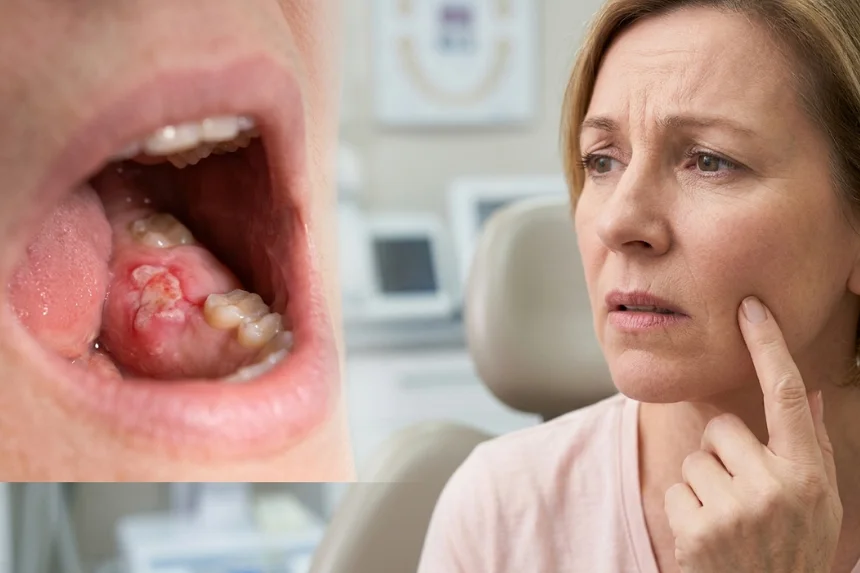
Possible Gum Cancer Warning Signs
Potential warning signs may include:
- A sore or ulcer that does not heal
- A persistent red patch
- A persistent white patch
- A firm lump on the gum
- Thickened or rough tissue
- Unexplained oral bleeding
- Persistent pain
- Numbness in part of the mouth
- A tooth becoming loose without an obvious cause
- Difficulty chewing, swallowing, or speaking
- Difficulty moving the jaw or tongue
- A lump in the neck
These symptoms do not automatically mean cancer. Nevertheless, the NIDCR recommends professional evaluation when possible oral-cancer symptoms continue for more than two weeks.
Why Pain Is Not a Reliable Test
Some people assume that cancer must hurt. However, early oral cancer may be painless.
Meanwhile, irritation caused by a pouch, accidental biting, a canker sore, or a dental infection can be painful. Therefore, pain level alone cannot determine whether a lesion is harmless or serious.
Why a Dentist May Recommend a Biopsy
During an examination, a dentist may inspect the entire mouth, lips, tongue, throat, face, and neck. If an area appears unusual, the dentist may monitor it, refer the patient to a specialist, or recommend additional testing.
A biopsy involves removing a small tissue sample for laboratory examination. It is the only reliable way to confirm whether suspicious tissue contains cancerous or precancerous cells.
Can ZYN Cause White Patches, Leukoplakia, or Gum Damage?
ZYN and other nicotine pouches may cause white or pale changes at the placement site. However, not every white patch is leukoplakia.
“White patch” describes appearance. In contrast, leukoplakia is a clinical term used after other obvious causes have been considered.
Possible causes of a white oral area include:
- Friction
- Chemical irritation
- Tissue thickening
- A healing injury
- Fungal infection
- A nicotine pouch placement-site lesion
- Leukoplakia
- Another inflammatory condition
A 2024 case series reported white lesions in nicotine pouch users at the sites where pouches were held. Tissue examinations showed changes in the oral lining and inflammatory findings. However, the small study did not establish a general cancer rate among users.
A later clinical report also described localized recession and leukoplakia-like lesions associated with repeated nicotine pouch placement. The authors recommended discontinuing use and examining persistent white lesions to exclude dysplasia or malignancy.
When a White Patch Needs Dental Evaluation
A white patch deserves professional attention when it:
- Lasts longer than approximately two weeks
- Remains after pouch use stops
- Returns repeatedly in the same location
- Becomes thicker or firmer
- Develops red areas
- Bleeds without a clear reason
- Forms an ulcer
- Causes numbness
- Is accompanied by a lump
Anyone researching “can Zyns cause gum cancer” should avoid assuming that every white patch is harmless or that every white patch is cancer.
Therefore, a user should not continue placing ZYN over a persistent white area while waiting to see whether it becomes worse.
The 2026 FDA Decision About ZYN and Mouth Cancer Risk
On June 30, 2026, the FDA issued modified-risk granted orders for 20 specific ZYN nicotine pouch products. The authorization allows those products to be marketed with a claim that using them instead of cigarettes lowers the risk of mouth cancer and several other smoking-related diseases.
This update is important. However, it can easily be misunderstood.
What the FDA Decision Means
The FDA evaluated specific ZYN products as alternatives for adults who smoke cigarettes. Its decision concerns relative risk, meaning the risk of one product compared with another.
Cigarette smoke contains thousands of chemicals. Furthermore, burning tobacco creates many toxic and cancer-causing substances. Because ZYN does not burn tobacco, switching completely may reduce exposure to many chemicals found in cigarettes.
The FDA had previously authorized the sale of the same 20 products in January 2025. At that time, the agency said they contained substantially lower amounts of harmful constituents than cigarettes and most traditional smokeless tobacco products.
What the FDA Decision Does Not Mean
The authorization does not mean:
- ZYN has no health risks
- ZYN cannot affect the gums
- ZYN has been proved incapable of causing cancer
- Every nicotine pouch has the same authorization
- ZYN is recommended for people who do not use nicotine
- ZYN is an FDA-approved smoking-cessation medicine
- Using ZYN and cigarettes together provides the same benefit as completely switching
Therefore, the FDA decision does not settle the question “can Zyns cause gum cancer” or prove that long-term pouch use carries zero oral-cancer risk.
The FDA clearly states that the orders apply to specific products rather than the entire nicotine pouch category. It also says there is no safe tobacco product, people who do not use these products should not start, and fully quitting provides the greatest health benefit.
Why Complete Switching Matters
The modified-risk claim compares ZYN use instead of cigarettes. Therefore, continuing to smoke while occasionally using ZYN is not the same as switching completely.
Dual use can maintain exposure to cigarette smoke. In addition, it may increase overall nicotine consumption if the person uses pouches in locations where smoking is not permitted.
Consequently, the FDA decision should not be presented as proof that adding ZYN to a smoking routine reduces cancer risk.
Are ZYN Pouches Safer Than Cigarettes or Chewing Tobacco?
Risk depends on the product, exposure method, ingredients, frequency, duration, and whether other tobacco products are also used.
Nevertheless, current evidence supports a general risk hierarchy. Combustible cigarettes are especially harmful because tobacco is burned and smoke is inhaled. Traditional chewing tobacco and snuff also have established oral-cancer risks because they contain tobacco and cancer-causing chemicals.
Specific FDA-authorized ZYN products contain fewer harmful constituents than cigarettes and most traditional smokeless tobacco products. However, they still contain addictive nicotine and are not harmless.
| Product | Burns tobacco? | Contains tobacco leaf? | Oral-cancer evidence | Important point |
|---|---|---|---|---|
| Cigarettes | Yes | Yes | Strongly established | Combustion produces highly toxic smoke |
| Chewing tobacco or dip | No | Yes | Established oral-cancer risk | Tobacco remains against oral tissue |
| ZYN nicotine pouches | No | No | Long-term direct risk remains uncertain | Lower risk than cigarettes does not mean no risk |
| Nicotine patch | No | No | Not placed inside the mouth | FDA-approved cessation treatment |
| Nicotine gum or lozenge | No | No | Regulated cessation products | Should be used according to instructions |
The NIDCR identifies cigarettes, cigars, pipes, chewing tobacco, and snuff as established oral-cancer risk factors.
Is ZYN Safer Than Smoking?
For an adult who already smokes, completely switching to specific FDA-authorized ZYN products may lower exposure to many harmful cigarette chemicals. Moreover, the FDA has authorized a relative-risk claim for 20 products.
However, starting ZYN as a person who does not use tobacco does not provide a health benefit. Instead, it introduces nicotine exposure and possible addiction.
Is ZYN Safer Than Chewing Tobacco?
ZYN does not contain tobacco leaf. Therefore, it differs from chewing tobacco, dip, moist snuff, and other traditional smokeless products.
The FDA has found lower levels of harmful constituents in the authorized ZYN products than in most traditional smokeless tobacco products. Nevertheless, ZYN may still irritate gum tissue, contribute to recession, and cause placement-site lesions.
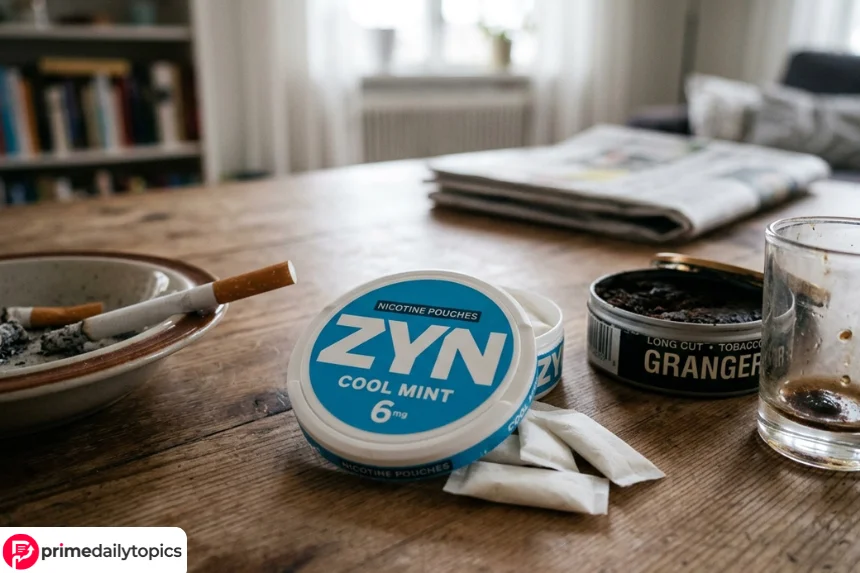
Is Nicotine Itself Responsible for Gum Cancer?
Nicotine is highly addictive. However, it is not considered the main substance responsible for the cancer burden caused by cigarettes.
According to the FDA, nicotine keeps people using tobacco products, while the toxic chemical mixture in tobacco and tobacco smoke causes many serious diseases, including cancer.
Nevertheless, this fact should not be simplified into the claim that nicotine is harmless.
Nicotine can:
- Create dependence
- Produce cravings and withdrawal
- Affect the cardiovascular system
- Harm fetal development
- Affect the developing adolescent brain
- Encourage continued exposure to a nicotine product
Furthermore, a nicotine pouch contains more than nicotine alone. Its oral effects may also depend on pH, flavorings, fillers, moisture, nicotine strength, and placement behavior.
Therefore, the question “can Zyns cause gum cancer?” cannot be answered by examining nicotine alone. Researchers must evaluate the complete product and the way it is used.
Who May Face Greater Oral-Health Risks From ZYN?
Researchers cannot calculate an exact personal gum-cancer risk for a ZYN user. However, certain habits and existing dental conditions may increase the likelihood of irritation or tissue damage.
Greater concern may apply to people who:
- Always place the pouch in the same location
- Use pouches many times per day
- Keep pouches in place for long periods
- Use high-nicotine products
- Place pouches against existing sores
- Already have gum recession
- Have untreated gum disease
- Have dry mouth
- Recently had oral surgery
- Have dental implants near the placement site
- Smoke cigarettes as well
- Use chewing tobacco or dip
- Have a persistent white or red lesion
- Rarely receive dental examinations
Repeated placement in one location is especially important because reported lesions and recession commonly correspond to the contact site.
In addition, young people and pregnant women should not use nicotine pouches. The CDC states that nicotine is highly addictive, can harm the developing brain, and is dangerous during pregnancy.
Finally, nicotine pouches should not be treated as approved quitting medication. The CDC confirms that the FDA has not approved nicotine pouches as a smoking-cessation aid.
When Should You Worry About ZYN Gum Cancer Symptoms?
Most mild mouth irritation is not cancer. However, users should not ignore a change simply because it appeared after placing a nicotine pouch.
A dentist can examine the placement area, check the surrounding teeth and gums, and compare it with the rest of the mouth. In addition, the dentist can determine whether the problem looks like friction, gum recession, infection, inflammation, or a lesion that requires further testing.
Schedule a Dental Examination for Repeated Gum Problems
Arrange a dental appointment when you notice:
- Gum soreness that repeatedly returns
- A burning feeling after using ZYN
- Increased tooth sensitivity
- A gumline that appears lower than before
- Dry mouth that affects comfort or eating
- Frequent mouth ulcers
- White or rough tissue at the placement site
- Bleeding that continues without an obvious cause
- Pain when brushing around the affected area
These changes may have noncancerous explanations. Nevertheless, early dental care may prevent gum recession, decay, or inflammation from becoming more serious.
Seek Prompt Care for Possible Oral Cancer Warning Signs
See a dentist or doctor when you have:
- A sore that does not heal
- A persistent white or red patch
- A firm lump or thickened area
- Unexplained bleeding
- Persistent pain or numbness
- A loose tooth without a clear dental cause
- Difficulty moving the tongue or jaw
- Difficulty chewing, speaking, or swallowing
- Swelling in the jaw or neck
The National Institute of Dental and Craniofacial Research recommends professional evaluation when possible oral-cancer symptoms last longer than two weeks. These symptoms do not confirm cancer, but they should not be diagnosed at home.
Seek urgent care sooner if swelling interferes with breathing or swallowing, bleeding will not stop, or severe pain is accompanied by fever or rapidly increasing facial swelling.
What Happens During an Oral Examination?
A dentist or doctor may begin by asking:
- When the change first appeared
- Whether it is painful
- Whether it has grown or changed
- Where you normally place nicotine pouches
- How often you use ZYN
- Whether you smoke, vape, or use smokeless tobacco
- Whether you recently had dental treatment
- Whether you take medicines that cause dry mouth
Next, the clinician may inspect the lips, gums, cheeks, tongue, roof of the mouth, floor of the mouth, throat, jaw, and neck. If a lesion appears suspicious, the clinician may recommend monitoring, a specialist referral, imaging, or a biopsy.
A biopsy does not automatically mean that cancer is present. Instead, it allows a laboratory to examine tissue and determine what type of changes have occurred.
Will ZYN Gum Damage Heal After You Stop?
Some gum and mouth changes may improve after ZYN use stops. However, recovery depends on the type of damage, its severity, and how long the area has been exposed.
Mild irritation, redness, tenderness, and temporary tissue whitening may improve once the pouch no longer contacts the area. In contrast, established gum recession may not reverse naturally.
Changes That May Improve After Stopping
The following problems may improve when the tissue is allowed to recover:
- Mild burning
- Temporary redness
- Localized soreness
- Surface irritation
- Minor ulcers caused by friction
- Dry-mouth discomfort
- Temporary pale or wrinkled tissue
However, a user should not assume that every lesion will disappear. If a white patch, red area, ulcer, or lump continues for about two weeks, it needs professional evaluation.
Can Receding Gums Grow Back?
Once gum tissue has significantly receded, it generally does not return to its original position without treatment. Therefore, quitting ZYN may prevent additional irritation, but it may not replace gum tissue that has already been lost.
A dentist or periodontist may recommend:
- Professional cleaning
- Improved brushing and flossing techniques
- Desensitizing toothpaste
- Fluoride treatment
- Monitoring the affected tooth
- Treatment for underlying gum disease
- Periodontal surgery or gum grafting in selected cases
The correct treatment depends on the cause and severity of the recession. Consequently, users should not attempt to diagnose or treat established gum loss through home remedies alone.
How Long Does ZYN Gum Irritation Last?
There is no single healing time that applies to every person.
A mild contact irritation may begin improving after the pouch is removed. However, healing may take longer when:
- The pouch was used frequently
- The same area was repeatedly exposed
- An ulcer developed
- Gum disease is already present
- The person has dry mouth
- The area continues to experience pressure
- Smoking or other nicotine products are also used
If irritation worsens, repeatedly returns, or remains for approximately two weeks, arrange a dental examination.
What to Do If ZYN Has Irritated Your Gums
First, remove the pouch and stop placing nicotine products against the affected area. Continuing to expose a sore or damaged location may delay recovery.
Next:
- Rinse the mouth gently with water.
- Brush with a soft-bristled toothbrush.
- Avoid aggressive brushing over the sore area.
- Continue cleaning the rest of the mouth carefully.
- Avoid picking, scraping, or attempting to peel off white tissue.
- Avoid placing aspirin or harsh chemicals directly on the gums.
- Limit foods that sharply worsen burning or pain.
- Check the area each day for changes.
- Arrange a dental examination if it persists or worsens.
Moving a pouch to another location may reduce pressure on the damaged spot. However, it only transfers exposure to a different part of the mouth. Therefore, changing sides should not be treated as a complete safety solution.
How to Reduce Oral-Health Risks From Nicotine Pouches
The clearest way to avoid pouch-related gum exposure is to stop using oral nicotine pouches. Nevertheless, people who are not ready to quit should still recognize warning signs and avoid practices that may increase tissue damage.
Avoid Repeatedly Using the Same Placement Site
Habitually holding every pouch against the same tooth concentrates pressure and chemical exposure in one location. Therefore, repeated soreness or recession near one tooth deserves attention.
However, rotating the placement location does not eliminate addiction, dry mouth, irritation, or uncertain long-term risks.
Do Not Use a Pouch Over Damaged Tissue
Avoid placing ZYN over:
- A mouth ulcer
- Bleeding gums
- A white or red patch
- A dental extraction site
- Stitches
- An implant surgical site
- A painful tooth
- Receding gums
- Recent gum treatment
In addition, follow your dentist’s instructions after oral surgery. Nicotine exposure may be especially inappropriate while tissue is healing.
Maintain Consistent Oral Hygiene
Brush twice daily with fluoride toothpaste and clean between the teeth. Furthermore, attend regular dental examinations so a professional can identify recession, cavities, gum inflammation, and oral lesions early.
Tell your dentist that you use nicotine pouches. This information helps the dentist understand why a change may be concentrated in a particular placement area.
Monitor the Mouth Regularly
Look for:
- New white or red patches
- Repeated ulcers
- Gumline changes
- Unexplained bleeding
- Lumps
- Thickened tissue
- Numbness
- Tooth movement
- Changes that do not heal
A self-check cannot rule out cancer. Still, it may help you notice a persistent change sooner.
How to Stop Using ZYN
Nicotine dependence can make quitting difficult. Cravings, irritability, restlessness, difficulty concentrating, sleep changes, and increased appetite may occur when nicotine use stops.
However, withdrawal symptoms usually reflect dependence rather than a need for the product. A structured plan may make the process more manageable.
Choose a Quit Date
Select a realistic date and remove spare pouches from:
- Your home
- Your vehicle
- Your workplace
- Bags and pockets
- Frequently used drawers
- Online recurring orders
In addition, tell a supportive friend or family member about the plan.
Identify Your Nicotine Triggers
Common triggers may include:
- Driving
- Working
- Stress
- Drinking coffee
- Socializing
- After meals
- Alcohol use
- Boredom
- Seeing someone else use nicotine
- Situations where smoking is prohibited
Once you identify a trigger, prepare a replacement action. For example, take a short walk, drink water, chew sugar-free gum, call someone, or complete a brief breathing exercise.
Ask About Proven Quitting Treatments
ZYN nicotine pouches are not FDA-approved smoking-cessation medicines. The CDC also notes that researchers need more evidence about whether nicotine pouches help people quit smoking.
FDA-approved options for adults who want to quit smoking include nicotine-replacement products and non-nicotine prescription medicines. Options may include:
- Nicotine patches
- Nicotine gum
- Nicotine lozenges
- Nicotine nasal spray
- Nicotine inhalers
- Bupropion
- Varenicline
The best option depends on medical history, current nicotine use, pregnancy status, medications, and other individual factors. Therefore, speak with a clinician or pharmacist before beginning a treatment plan, particularly if you use nicotine heavily or have significant health conditions.
The FDA recommends evidence-based medications and behavioral counseling as first-line treatments for adults seeking to quit smoking.
Use Free U.S. Quitting Support
People in the United States can call 1-800-QUIT-NOW for free, confidential coaching. Quitline professionals can help users develop a plan, manage cravings, and find local resources.
Even after a setback, another quit attempt can succeed. Therefore, using a pouch after the quit date does not mean the entire plan has failed. Identify the trigger, adjust the strategy, and restart.
Overall, people searching “can Zyns cause gum cancer” need a balanced answer that recognizes both the lack of proven causation and the uncertainty surrounding long-term use.
FAQs About Whether Zyns Can Cause Gum Cancer
Can Zyns cause gum cancer?
Current research has not proved that ZYN directly causes gum cancer. However, strong long-term human evidence remains limited. Because ZYN can cause irritation, recession, and placement-site lesions, users should have persistent sores, white patches, red patches, lumps, or unexplained bleeding professionally examined.
Can ZYN cause mouth cancer?
No direct causal connection between ZYN use and mouth cancer has been established. Nevertheless, researchers cannot yet provide a reliable lifetime cancer-risk estimate because oral nicotine pouches are comparatively new.
In June 2026, the FDA allowed 20 specific ZYN products to carry a claim that using them instead of cigarettes lowers the risk of mouth cancer and several other smoking-related diseases. However, this is a relative-risk claim, not proof that the products are harmless or cancer-free.
Can ZYN permanently damage your gums?
ZYN may contribute to localized gum recession, particularly when pouches are repeatedly placed in the same location. Mild irritation may improve after use stops. However, established gum recession may not reverse without professional treatment.
Does ZYN cause gum recession?
Clinical reports have associated repeated nicotine-pouch placement with localized gum recession. However, the research does not show that every user will develop it.
Signs may include a tooth appearing longer, increased sensitivity, an exposed root surface, or a visible change in the gumline.
Why does ZYN leave a white patch on my gum?
A white patch may develop because of pressure, friction, tissue thickening, chemical irritation, or another oral condition. It does not automatically mean cancer.
Nevertheless, stop placing pouches against the area. Arrange an examination if the patch remains, becomes thicker, bleeds, develops red areas, or lasts for around two weeks.
How long should ZYN gum irritation last?
There is no guaranteed healing period. Minor irritation may improve once exposure stops, while ulcers or more significant damage may take longer.
Seek dental care when the irritation is worsening, returning repeatedly, or not resolving within approximately two weeks.
Will my gums grow back after quitting ZYN?
Inflammation and soreness may improve after quitting. However, gum tissue lost through established recession usually does not grow back naturally.
A periodontist may recommend treatment when recession causes sensitivity, root exposure, cosmetic concerns, or a higher risk of further dental problems.
Is ZYN safer than chewing tobacco?
ZYN does not contain tobacco leaf, whereas chewing tobacco and dip contain tobacco and have established links to oral cancer. Therefore, specific FDA-authorized ZYN products generally expose users to fewer harmful chemicals than traditional smokeless tobacco.
However, ZYN still delivers addictive nicotine and may affect the gums. Lower risk does not mean no risk.
Is ZYN safer than smoking cigarettes?
For an adult who already smokes, switching completely to specific FDA-authorized ZYN products may lower the risk of mouth cancer and several other smoking-related diseases compared with continuing to smoke. However, using cigarettes and ZYN together is not the same as switching completely.
Moreover, people who do not currently use nicotine should not begin using ZYN. FDA authorization to market a product does not mean that it is safe or “FDA approved.”
Is nicotine itself a carcinogen?
Nicotine is not considered the primary cause of smoking-related cancer. Instead, many cancers caused by cigarettes result from toxic and cancer-causing chemicals in tobacco smoke.
However, nicotine is highly addictive and biologically active. Furthermore, nicotine pouches contain other ingredients and remain directly against oral tissue. Therefore, nicotine’s role alone cannot determine the complete risk of ZYN.
Can a dentist tell whether a white patch is cancer?
A dentist may identify whether a patch appears consistent with irritation or requires further investigation. However, appearance alone cannot always confirm a diagnosis.
When necessary, a dentist may refer the patient to an oral surgeon, oral medicine specialist, periodontist, or ear, nose, and throat specialist. A biopsy may be required to confirm whether abnormal cells are present.
Should I stop using ZYN if my gums hurt?
Yes, do not continue placing a pouch against a painful or damaged area. Remove the pouch and allow the tissue to recover.
If the pain persists, worsens, or appears with recession, swelling, bleeding, a lump, or a lasting patch, arrange a dental examination.
Final Answer: Can Zyns Cause Gum Cancer?
So, can Zyns cause gum cancer? Current evidence has not demonstrated that ZYN nicotine pouches directly cause cancer of the gums. However, long-term human evidence remains incomplete, so researchers cannot guarantee that decades of use carry no cancer risk.
More importantly, the absence of proven causation does not mean ZYN is harmless. Nicotine pouches can expose the same gum area to repeated pressure, nicotine, flavorings, moisture, and other ingredients. Consequently, some users may develop soreness, white lesions, dry mouth, localized gum recession, or other oral changes.
The FDA’s June 30, 2026 decision means 20 specific ZYN products may be marketed with a claim that completely switching from cigarettes lowers the risk of mouth cancer and several other diseases. Nevertheless, the decision does not state that ZYN has zero cancer risk, is safe for nonusers, or is an approved quitting medicine.
Ultimately, do not try to determine whether a persistent oral lesion is cancer by comparing photographs online. Stop placing pouches against damaged tissue, monitor the area, and visit a dentist or doctor when a sore, white patch, red patch, lump, thickened area, unexplained bleeding, or numbness lasts for about two weeks.
Medical Disclaimer
This article is intended for general educational purposes only. It does not provide a diagnosis or replace advice from a dentist, physician, oral surgeon, or other qualified healthcare professional.
Seek professional care for persistent or worsening oral symptoms. Seek urgent medical attention for difficulty breathing or swallowing, rapidly increasing facial or neck swelling, or bleeding that will not stop.
LEARN MORE ABOUT: Unpasteurized Apple Cider Vinegar
