



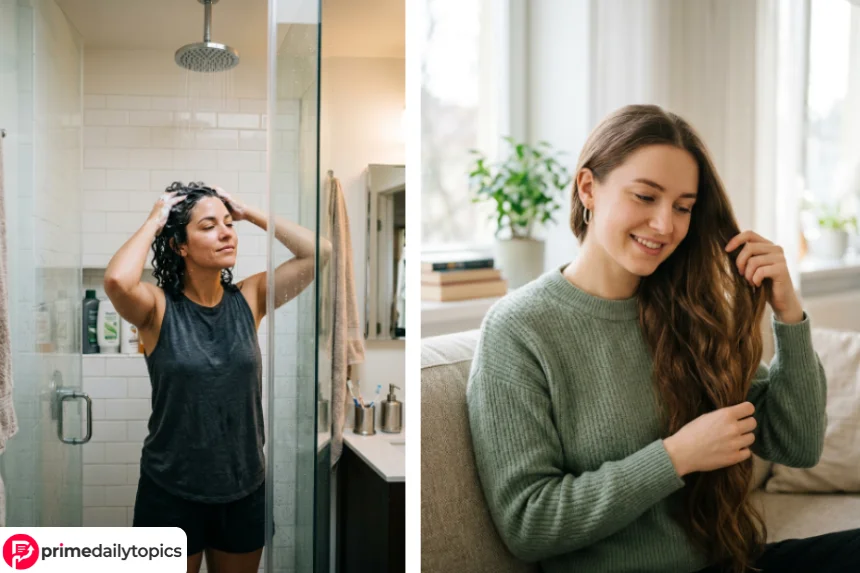
The best shampoo for thinning hair depends on what is making the hair look sparse. A lightweight volumizing shampoo can make fine strands appear fuller. Meanwhile, an anti-dandruff formula may help when flaking, itching or scalp inflammation contributes to shedding and breakage.
However, shampoo cannot treat every cause of hair loss. Hereditary thinning, hormonal changes, alopecia areata, nutritional deficiencies and thyroid disorders often require medical evaluation. Shampoo mainly cleans the scalp, limits avoidable damage and improves the appearance of existing hair.
The American Academy of Dermatology recommends gentle shampoo and conditioner for fragile hair because harsh cleansing can increase dryness and breakage. Cleveland Clinic also notes that some people who believe they are shedding hair are actually experiencing breakage caused by their hair-care routine.
Quick answer: For fine, flat hair, Living Proof Full Shampoo is our overall cosmetic-volume pick. Nizoral A-D is the strongest option when dandruff accompanies thinning, while Vanicream Shampoo suits people who need a simple fragrance-free cleanser.
Best Shampoo for Thinning Hair at a Glance
| Product | Best for | Main benefit | Important limitation |
|---|---|---|---|
| Living Proof Full Shampoo | Fine, flat hair | Adds temporary volume and body | Does not treat follicle-related hair loss |
| Nizoral A-D | Dandruff with shedding | Controls flaking and scalp yeast | Can feel drying |
| Vanicream Shampoo | Sensitive scalp | Fragrance-free gentle cleansing | Does not add major volume |
| SEEN Fragrance-Free Shampoo | Sensitive or acne-prone skin | Gentle cleansing with reduced breakage | Premium price |
| Dove Volume & Fullness Shampoo | Budget volumizing | Makes flat hair look fuller | Contains fragrance |
| Briogeo Destined for Density | Premium density routine | Lightweight cleansing and fuller appearance | Growth claims rely on a full regimen |
| Kérastase Bain Densité | Luxury volumizing | Adds body and shine | Expensive |
| PURA D’OR Gold Label | Breakage-related thinning | Supports strength and fuller-looking hair | Botanical ingredients are not proven regrowth treatments |
| Head & Shoulders BARE Sensitive Scalp | Sensitive scalp with dandruff | Fragrance-free dandruff control | Not intended to reverse pattern loss |
1. Living Proof Full Shampoo: Best Overall for Fine, Flat Hair
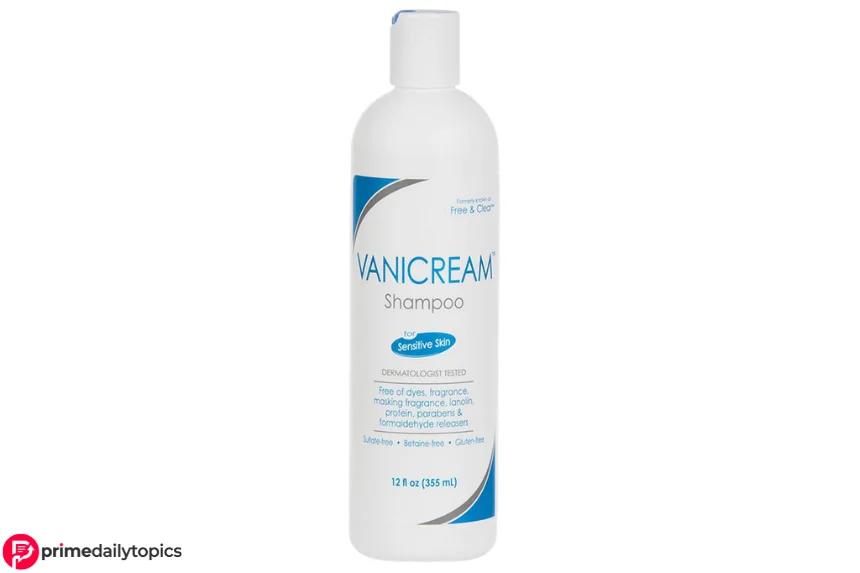
Living Proof Full Shampoo is the strongest overall choice for readers who mainly want thinning or naturally fine hair to look fuller.
The lightweight formula targets flatness rather than medical hair loss. According to the brand, its shampoo and conditioner system produced twice the volume compared with untreated hair. However, that figure comes from company testing and describes cosmetic volume, not the growth of new hair follicles.
Why we selected it
- Designed for fine, thin or flat hair
- Adds lift without relying on heavy oils
- Silicone-free formula
- Suitable for color-treated hair
- Helps improve the immediate appearance of fullness
Consider another option if
Choose a medicated shampoo instead when thinning appears with significant dandruff, scaling or an inflamed scalp.
Best for: Fine or oily hair that becomes flat quickly
Main expectation: Temporary volume and improved body
Not designed to: Reverse hereditary hair loss
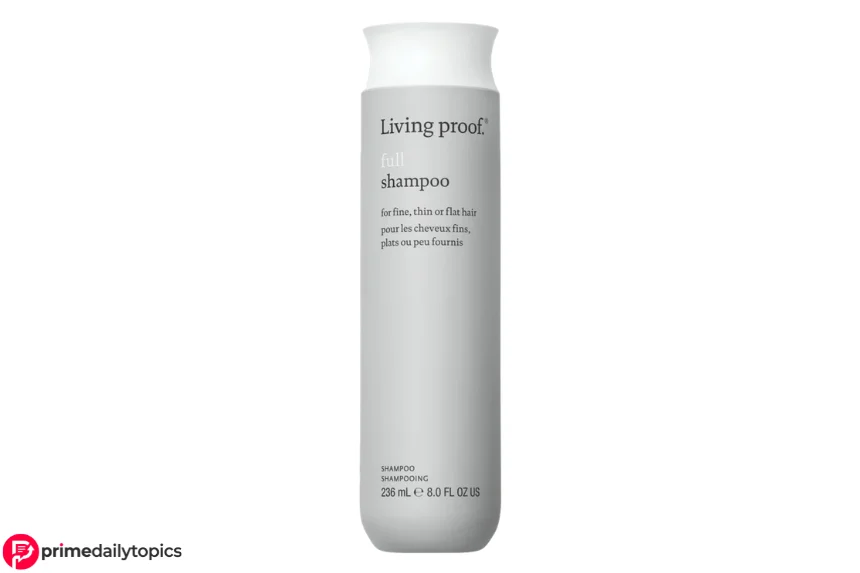
2. Nizoral A-D: Best for Thinning Hair With Dandruff
Nizoral A-D Anti-Dandruff Shampoo contains 1% ketoconazole. This antifungal ingredient treats dandruff symptoms such as itching, flaking and scaling.
Ketoconazole is particularly relevant when dandruff or seborrheic dermatitis accompanies shedding. Research suggests that topical ketoconazole may serve as a supporting treatment for androgenetic alopecia. Nevertheless, researchers still call for stronger controlled trials before treating it as a proven standalone regrowth therapy.
Why we selected it
- Contains an evidence-based anti-dandruff ingredient
- Helps control scalp yeast and persistent flaking
- May reduce scratching and inflammation-related breakage
- Available without a prescription in the United States
- Safe for color-treated and chemically processed hair, according to the manufacturer
Possible drawbacks
Ketoconazole shampoo can leave some hair types feeling dry. Therefore, use it according to the label and apply conditioner to the lengths of the hair when needed.
The manufacturer recommends using it approximately twice weekly during the initial treatment period rather than treating it as an everyday volumizing shampoo.
Best for: Thinning accompanied by dandruff, itching or flaking
Main expectation: A healthier, less inflamed scalp
Not designed to: Replace minoxidil or another prescribed treatment
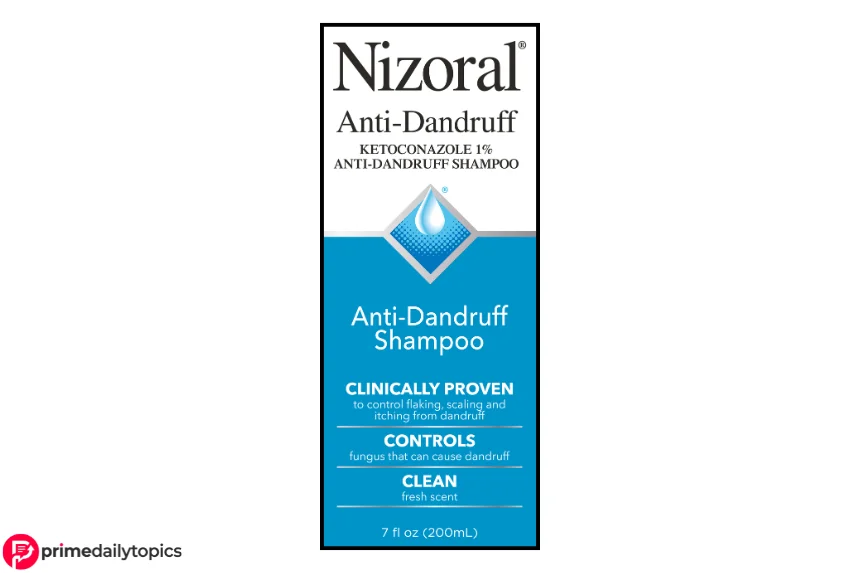
3. Vanicream Shampoo: Best for a Sensitive Scalp
Vanicream Shampoo is a non-medicated fragrance-free cleanser created for sensitive skin.
The formula avoids fragrance, dyes, parabens, lanolin and formaldehyde-releasing preservatives. It also removes product buildup and helps clean scaling or an oily scalp without including a medicated anti-dandruff active.
Why we selected it
- No fragrance or masking fragrance
- Simple formula for easily irritated skin
- Removes styling-product buildup
- Suitable for regular washing
- Useful when strong scents trigger scalp discomfort
Possible drawbacks
Vanicream does not provide the dramatic root lift of a dedicated volumizing formula. Moreover, it does not treat fungal dandruff or hereditary hair loss.
Best for: Sensitive, reactive or fragrance-intolerant scalps
Main expectation: Gentle, uncomplicated cleansing
Not designed to: Increase follicle density
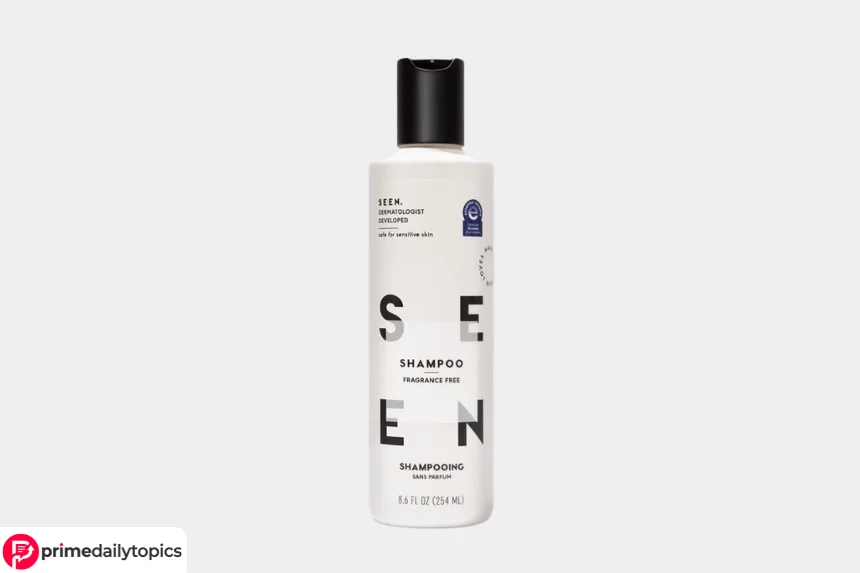
4. SEEN Fragrance-Free Shampoo: Best Premium Sensitive-Scalp Pick
SEEN Fragrance-Free Shampoo is a dermatologist-developed cleanser for people with sensitive, eczema-prone or acne-prone skin.
The company cites a six-month randomized study involving 22 patients with female pattern hair loss. Participants used the shampoo and conditioner as a regimen, so the findings cannot be assigned to the shampoo alone. The study size was also small. Still, the formula may appeal to readers who want gentle cleansing and reduced breakage without fragrance.
Why we selected it
- Truly fragrance-free
- Designed for sensitive and acne-prone skin
- Non-comedogenic
- Free from sulfates and silicones
- Focuses on breakage and scalp comfort
Possible drawbacks
This product costs more than basic sensitive-skin shampoos. In addition, its clinical claims apply to a product regimen rather than shampoo alone.
Best for: Sensitive scalp with fragile or breakage-prone hair
Main expectation: Gentler care and less avoidable damage
Not designed to: Cure female pattern hair loss
5. Dove Volume & Fullness Shampoo: Best Budget Pick
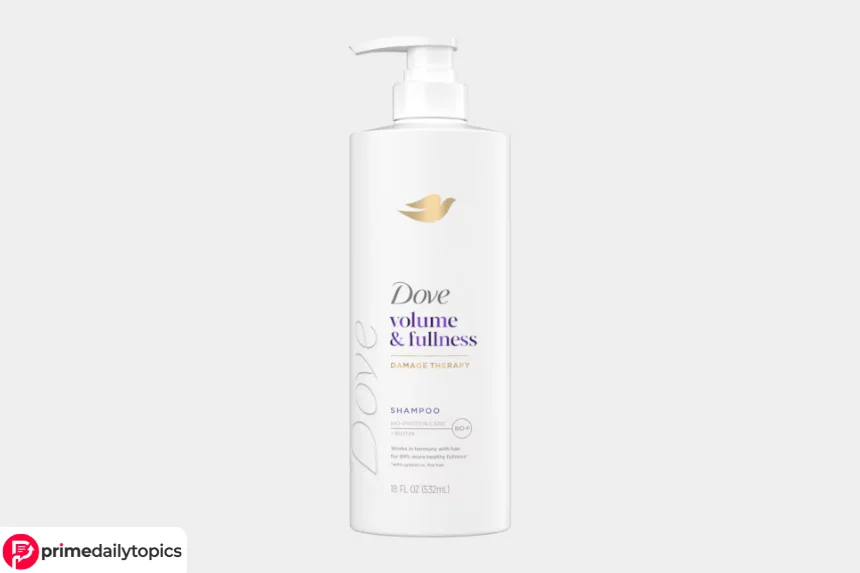
Dove Volume & Fullness Shampoo offers an accessible option for fine, flat hair.
The formula contains conditioning ingredients and biotin. Dove claims that the shampoo and conditioner system produces 99% more healthy fullness compared with flat hair. Again, this manufacturer claim relates to appearance and body rather than clinically verified hair regrowth.
Why we selected it
- Widely available
- Lower-priced than salon formulas
- Designed for flat and fine hair
- Adds body while providing conditioning
- Useful for readers focused on appearance rather than treatment
Possible drawbacks
The formula contains fragrance. It may also feel too conditioning for people whose roots become oily quickly.
Best for: Budget-conscious readers with fine, flat hair
Main expectation: Fuller-looking strands after washing
Not designed to: Treat the cause of progressive thinning
6. Briogeo Destined for Density Shampoo: Best Premium Density Formula
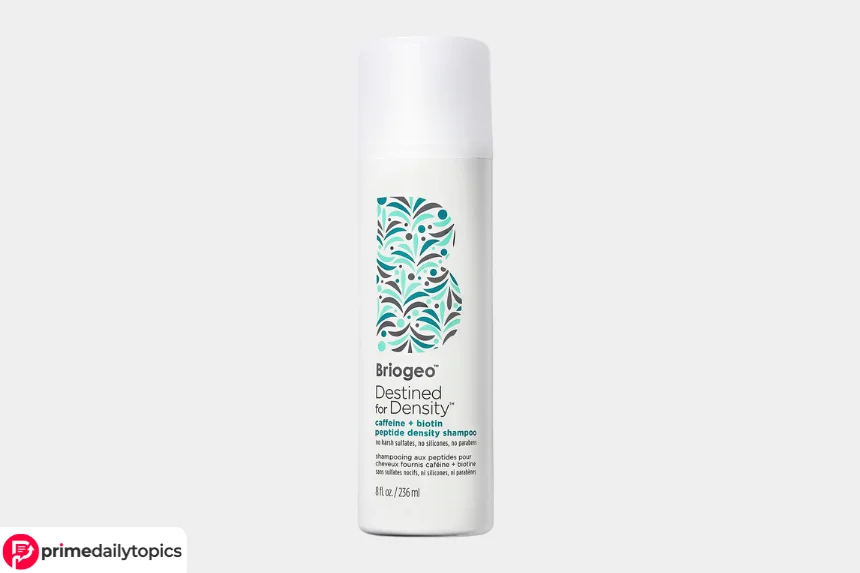
Briogeo Destined for Density Shampoo contains caffeine, biotin, zinc and copper peptides.
The lightweight formula targets hair that looks thin or lacks density. However, ingredients such as caffeine and biotin have limited evidence as rinse-off treatments for common pattern hair loss.
Briogeo’s broader density claim comes from a 16-week study involving 29 participants who used a four-product regimen. Therefore, the result does not prove that the shampoo by itself increases hair density.
Why we selected it
- Lightweight texture
- Designed specifically for fine or thinning hair
- Combines scalp-focused and conditioning ingredients
- Does not rely on heavy oils
- Suitable for readers who want a complete premium routine
Possible drawbacks
It is more expensive than drugstore shampoos. In addition, the evidence behind the larger density claim applies to the entire four-piece system.
Best for: Fine hair and readers who enjoy premium scalp-care routines
Main expectation: Fuller, healthier-looking hair
Not designed to: Function as an FDA-approved growth medication
7. Kérastase Densifique Bain Densité: Best Luxury Shampoo
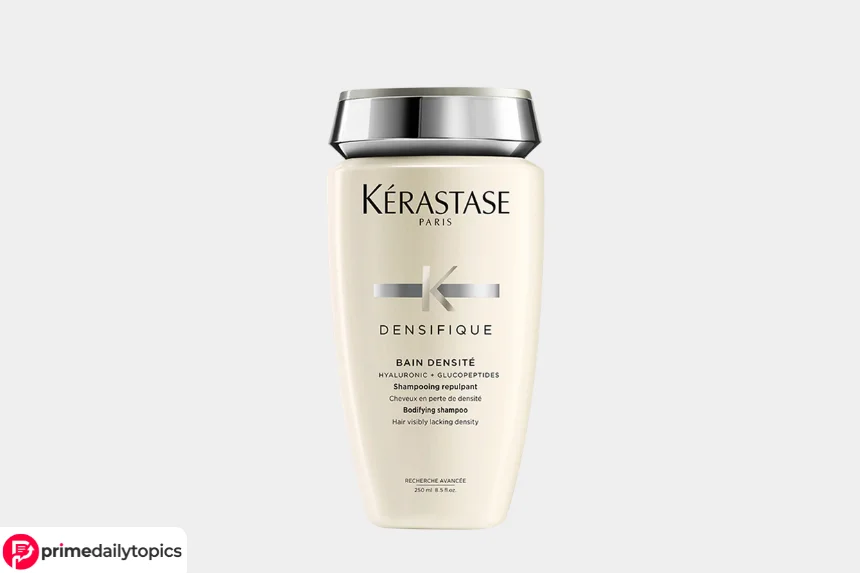
Kérastase Densifique Bain Densité is a luxury shampoo for hair that lacks body and density.
The brand states that it removes buildup, strengthens strands and creates fullness from the roots through the ends. It also contains ingredients intended to hydrate and plump the hair fiber.
Why we selected it
- Adds noticeable body to limp hair
- Provides shine and conditioning
- Suits people who prefer salon formulas
- Focuses on strand fullness and texture
- Works for men and women
Possible drawbacks
The price is difficult to justify for readers seeking medical hair-loss treatment. It improves appearance but does not correct hormonal or genetic follicle miniaturization.
Best for: Luxury shoppers with dry or dull thinning hair
Main expectation: Fuller-looking, shinier strands
Not designed to: Regrow a receding hairline
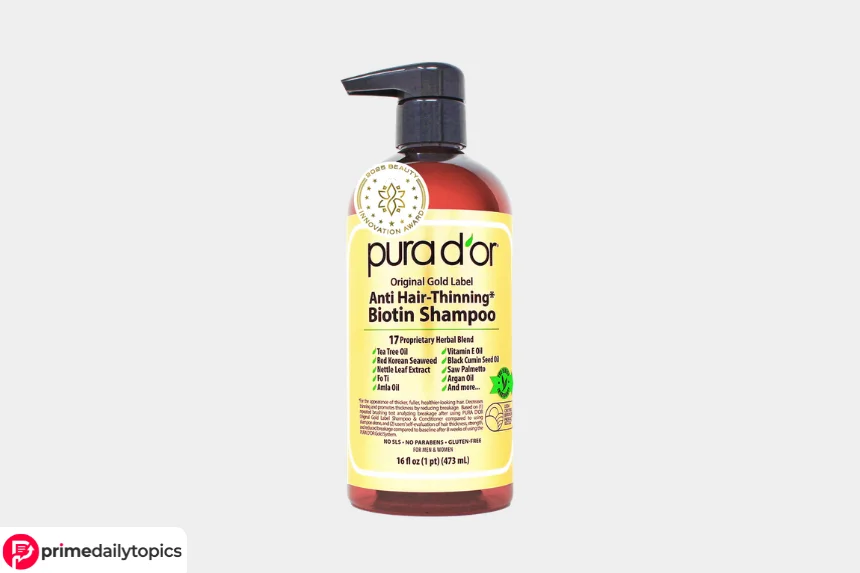
8. PURA D’OR Gold Label Shampoo: Best for Breakage-Related Thinning
PURA D’OR Original Gold Label Shampoo combines biotin with botanical oils and extracts.
Importantly, the official product description says it helps reduce the appearance of thinning caused by breakage. That wording is more realistic than claiming it reverses pattern baldness.
Why we selected it
- Targets weakness and breakage
- Contains conditioning botanical ingredients
- May improve softness and manageability
- Comes in a larger bottle than many premium shampoos
- Suitable for readers who prefer botanical-heavy formulas
Possible drawbacks
Botanical extracts can irritate sensitive skin. In addition, biotin in shampoo has not been proven to reverse common hereditary thinning.
Best for: Dry or damaged hair that snaps easily
Main expectation: Stronger-feeling, fuller-looking strands
Not designed to: Create new follicles
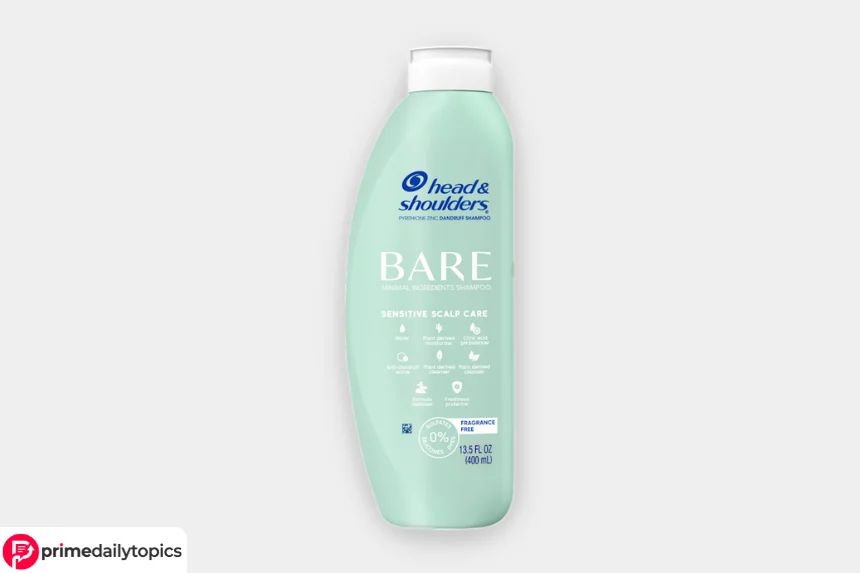
9. Head & Shoulders BARE Sensitive Scalp: Best Fragrance-Free Dandruff Pick
Head & Shoulders BARE Sensitive Scalp Shampoo offers dandruff control in a fragrance-free formula.
The product contains only eight listed ingredients and avoids sulfates, silicones and dyes. It provides another option for people who need dandruff treatment but cannot tolerate heavily scented shampoos.
Why we selected it
- Fragrance-free
- Medicated for dandruff
- Minimal-ingredient formula
- Suitable for sensitive scalps
- More affordable than many premium scalp products
Possible drawbacks
Like other anti-dandruff shampoos, it should not be mistaken for a treatment that reverses pattern hair loss.
Best for: Sensitive scalp with dandruff or flakes
Main expectation: Less flaking and irritation
Not designed to: Treat every cause of shedding
Can Shampoo Really Regrow Thinning Hair?
Most shampoos cannot produce substantial hair regrowth because users rinse them away after a short contact period.
Instead, shampoos generally work in three ways:
- They clean oil, flakes and styling-product buildup.
- They reduce breakage by avoiding excessive dryness.
- They coat strands so the hair looks thicker.
Volumizing shampoos often contain proteins or film-forming ingredients that temporarily coat the hair. The American Academy of Dermatology recommends these formulas for postpartum shedding because they can make hair appear fuller while normal growth returns.
However, cosmetic fullness is different from reversing follicle miniaturization. Pattern hair loss occurs when follicles gradually produce thinner, shorter strands.
Topical minoxidil is an FDA-approved leave-on medication for certain types of pattern hair loss. A rinse-off cosmetic shampoo should not be presented as an equivalent treatment.
Thinning, Shedding or Breakage?
Before choosing a shampoo, identify what “thinning” means in your situation.
| Problem | Common signs | Role of shampoo |
| Pattern hair loss | Widening part, thinner crown or receding hairline | Provides cosmetic support only |
| Excess shedding | More full-length hairs in the shower or brush | Gentle care reduces added damage |
| Breakage | Short pieces, split ends and uneven length | Conditioning can improve resilience |
| Dandruff-related shedding | Flakes, itching and scalp irritation | Medicated shampoo may help |
| Naturally fine hair | Small strand diameter without unusual loss | Volumizing shampoo adds temporary body |
| Alopecia areata | Smooth, round bald patches | Requires medical diagnosis |
Hair loss has many possible causes, and the cause determines whether the hair can regrow naturally or needs treatment.
Ingredients to Look for in Shampoo for Thinning Hair
Ketoconazole
Ketoconazole treats dandruff and seborrheic dermatitis. It may also serve as a useful supporting ingredient when pattern hair loss occurs with scalp inflammation. However, current evidence does not establish it as a universal standalone regrowth treatment.
Proteins and volumizing polymers
These ingredients coat strands and create temporary thickness. They work well for fine or postpartum hair, although they do not change the number of follicles.
Conditioning ingredients
Fatty alcohols, glycerin and lightweight conditioning polymers may reduce tangling and breakage. The AAD recommends applying conditioner after shampoo because it coats the strands and helps reduce split ends.
Caffeine
Caffeine is common in density shampoos. However, available studies often involve combination formulas or small groups. A 2025 expert consensus did not recommend caffeine-containing shampoo systems as established androgenetic alopecia treatments.
Biotin
Biotin deficiency can affect hair, but deficiency is uncommon. Evidence does not support presenting biotin shampoo as a reliable treatment for hereditary thinning.
Rosemary oil
Research often cited for rosemary involved a leave-on oil, not shampoo. Therefore, those results cannot be directly applied to a rinse-off rosemary formula.
How to Choose the Right Shampoo
For fine and oily hair
Choose a lightweight volumizing shampoo. Avoid applying heavy conditioner near the roots because it may make sparse hair appear flatter.
For dry, curly or coily hair
Use a gentle moisturizing cleanser and focus conditioner on the lengths. Textured hair can be fragile, so aggressive detangling and frequent high-heat styling may increase breakage.
For a sensitive scalp
Look for fragrance-free formulas with fewer potential irritants. Vanicream and SEEN are suitable starting points.
For dandruff
Choose a medicated shampoo containing an appropriate anti-dandruff active. Nizoral provides ketoconazole, while Head & Shoulders BARE offers a fragrance-free alternative.
For color-treated hair
Check the manufacturer’s directions and avoid overusing a formula that leaves the hair rough. Nizoral states that its shampoo is safe for color-treated and chemically processed hair.
For postpartum shedding
A volumizing shampoo can make the hair appear fuller during recovery. Nevertheless, contact a clinician when shedding remains severe, lasts longer than expected or occurs with other symptoms.
How to Wash Thinning Hair Without Increasing Breakage
Apply shampoo mainly to the scalp rather than rubbing it through the entire length. As the product rinses, the lather will clean the remaining hair.
In addition:
- Massage with your fingertips rather than your nails.
- Avoid piling and aggressively rubbing the hair.
- Apply conditioner after shampooing.
- Detangle gently with a wide-tooth comb.
- Limit high heat from dryers and straighteners.
- Avoid tight hairstyles that repeatedly pull the roots.
- Wash according to scalp oiliness rather than following a fixed schedule.
The AAD recommends washing based on how quickly the hair becomes oily or dirty. Straight hair with an oily scalp may need frequent washing, while dry or textured hair usually needs less.
When Should You See a Dermatologist?
Schedule a medical evaluation when hair loss is:
- Sudden
- Rapidly worsening
- Patchy
- Painful or burning
- Accompanied by sores or heavy scaling
- Affecting the eyebrows or eyelashes
- Continuing for several months
- Associated with fatigue or unexplained weight changes
- Producing smooth or scarred-looking areas
- Beginning after a new medication
Early treatment matters for some conditions. Scarring alopecia, for example, destroys follicles and can cause permanent loss without timely treatment.
Frequently Asked Questions
What is the best shampoo for thinning hair?
Living Proof Full Shampoo is our overall pick for cosmetic volume. However, Nizoral A-D is more appropriate when dandruff accompanies thinning, while Vanicream suits fragrance-sensitive scalps.
Can shampoo stop hair loss?
Shampoo may reduce breakage, dandruff and irritation. However, it usually cannot stop hereditary pattern hair loss by itself.
Is ketoconazole shampoo good for thinning hair?
Ketoconazole is useful for dandruff and seborrheic dermatitis. Research suggests it may provide supporting benefits for some people with pattern loss, but it should not replace proven treatment.
Does biotin shampoo regrow hair?
There is limited evidence that rinse-off biotin shampoo regrows hair in people without biotin deficiency. It may still appear in formulas that improve strength and cosmetic fullness.
Is caffeine shampoo effective?
The evidence remains limited and inconsistent. Caffeine shampoo should be viewed as a supporting cosmetic option rather than a proven treatment.
Is sulfate-free shampoo better for thinning hair?
Not always. A sulfate-free formula may suit dry or sensitive hair, but the overall formula matters more than one ingredient category.
How often should thinning hair be washed?
Wash as often as needed to keep the scalp clean. Oily scalps may require frequent washing, while dry or textured hair may need less.
Can dandruff cause hair shedding?
Dandruff and seborrheic dermatitis can produce inflammation, itching and scratching. Treating the scalp may reduce related breakage or shedding.
What shampoo is best for postpartum hair loss?
Choose a lightweight volumizing shampoo that makes hair look fuller without heavy conditioning ingredients. Postpartum shedding often improves with time, although persistent loss needs medical advice.
Should men and women use different shampoos?
Usually not. Choose according to scalp condition, strand texture and the cause of thinning rather than gendered packaging.
Is expensive shampoo better for thinning hair?
Not necessarily. Premium formulas may feel better or provide more cosmetic volume, but a higher price does not prove better hair regrowth.
Conclusion
The best shampoo for thinning hair should match the reader’s actual concern.
Living Proof Full Shampoo provides cosmetic lift for fine and flat hair. Nizoral A-D makes more sense when dandruff and inflammation accompany shedding. Meanwhile, Vanicream and SEEN offer gentler options for sensitive scalps.
Still, shampoo has limits. It may reduce breakage, control dandruff and improve fullness, but it rarely reverses hereditary or medical hair loss alone. Seek a dermatologist’s advice when thinning is sudden, patchy, painful or persistent.
Medical Disclaimer
This article is for general informational purposes only and does not provide medical advice, diagnosis or treatment. Hair thinning can have many causes, including genetics, hormonal changes, medical conditions, medications and nutritional deficiencies. Product results may vary, and no shampoo can guarantee hair regrowth. Speak with a qualified healthcare professional or dermatologist before starting a new hair-loss treatment, especially if your hair loss is sudden, patchy, painful or persistent.
Read more about James Roberson
